
Why 41% of Diabetics Treat
the Wrong Skin Condition —
And How a 45 Second
Assessment Identifies Yours.
Take the free GlycoDerm™ Assessment. Get your pattern identified. See the protocol that matches — not the one-size-fits-all cream that doesn't.
11 questions. 45 seconds. Your specific condition identified. Custom recommendations based on your specific answers.
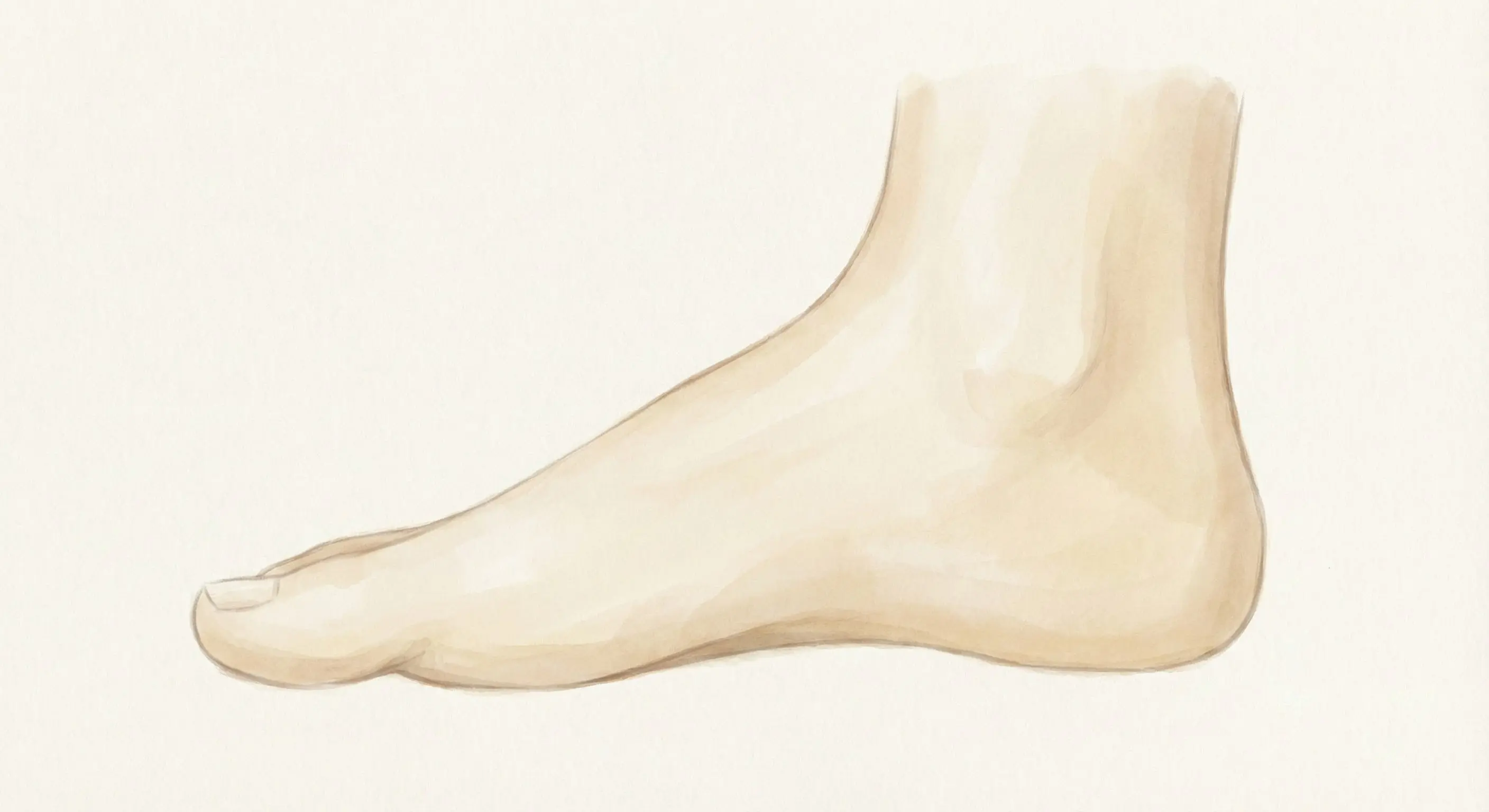

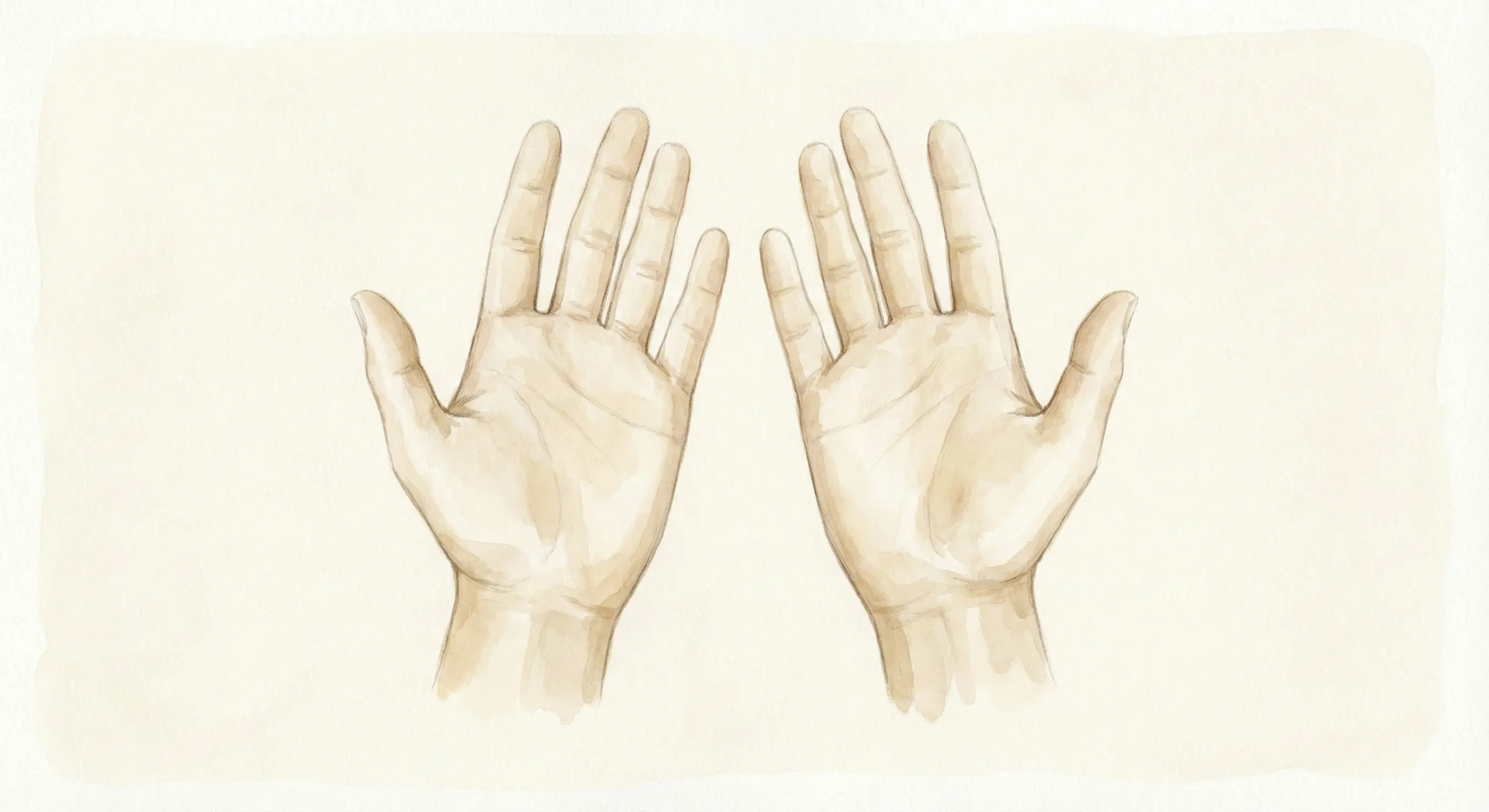
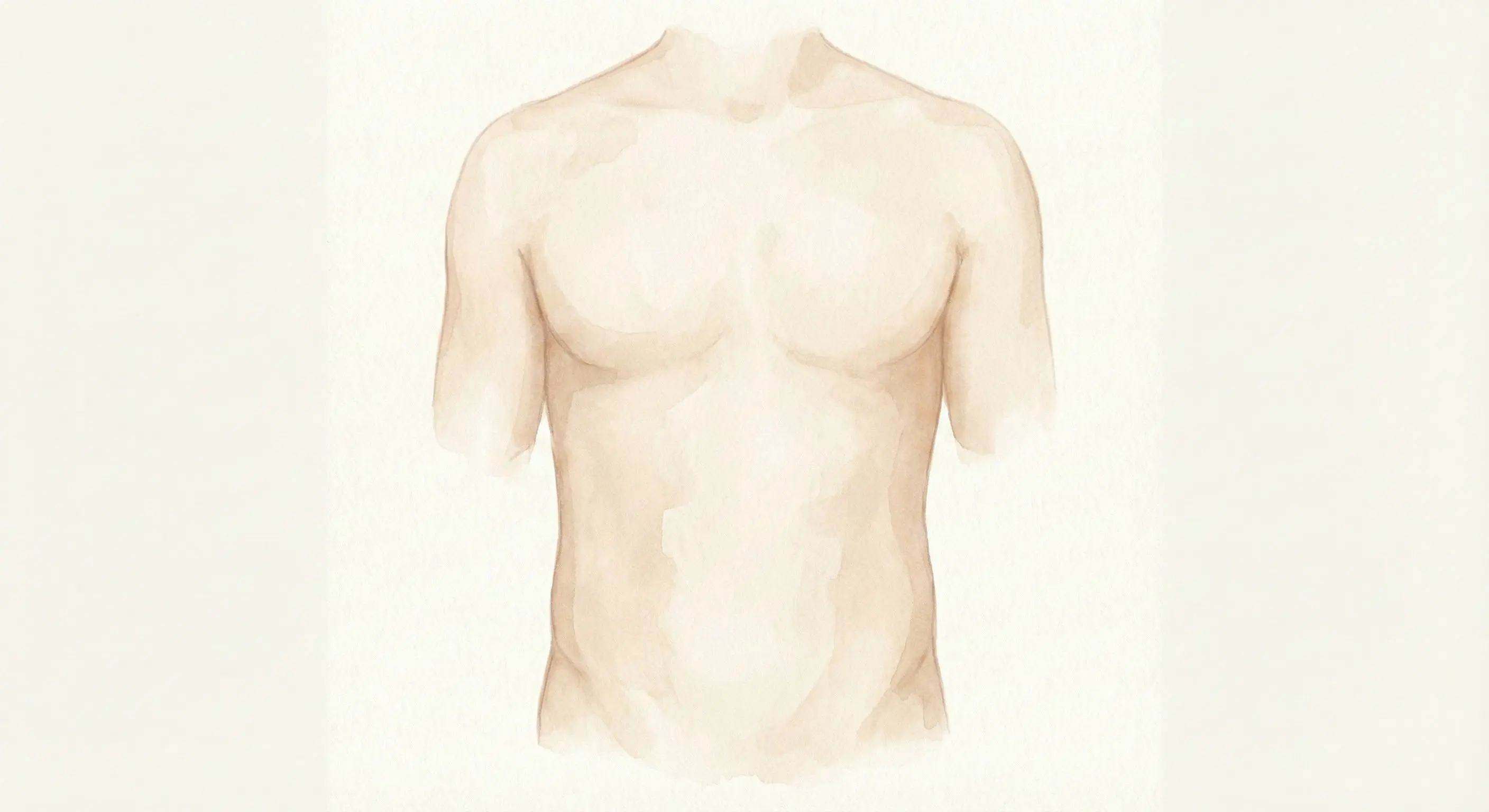

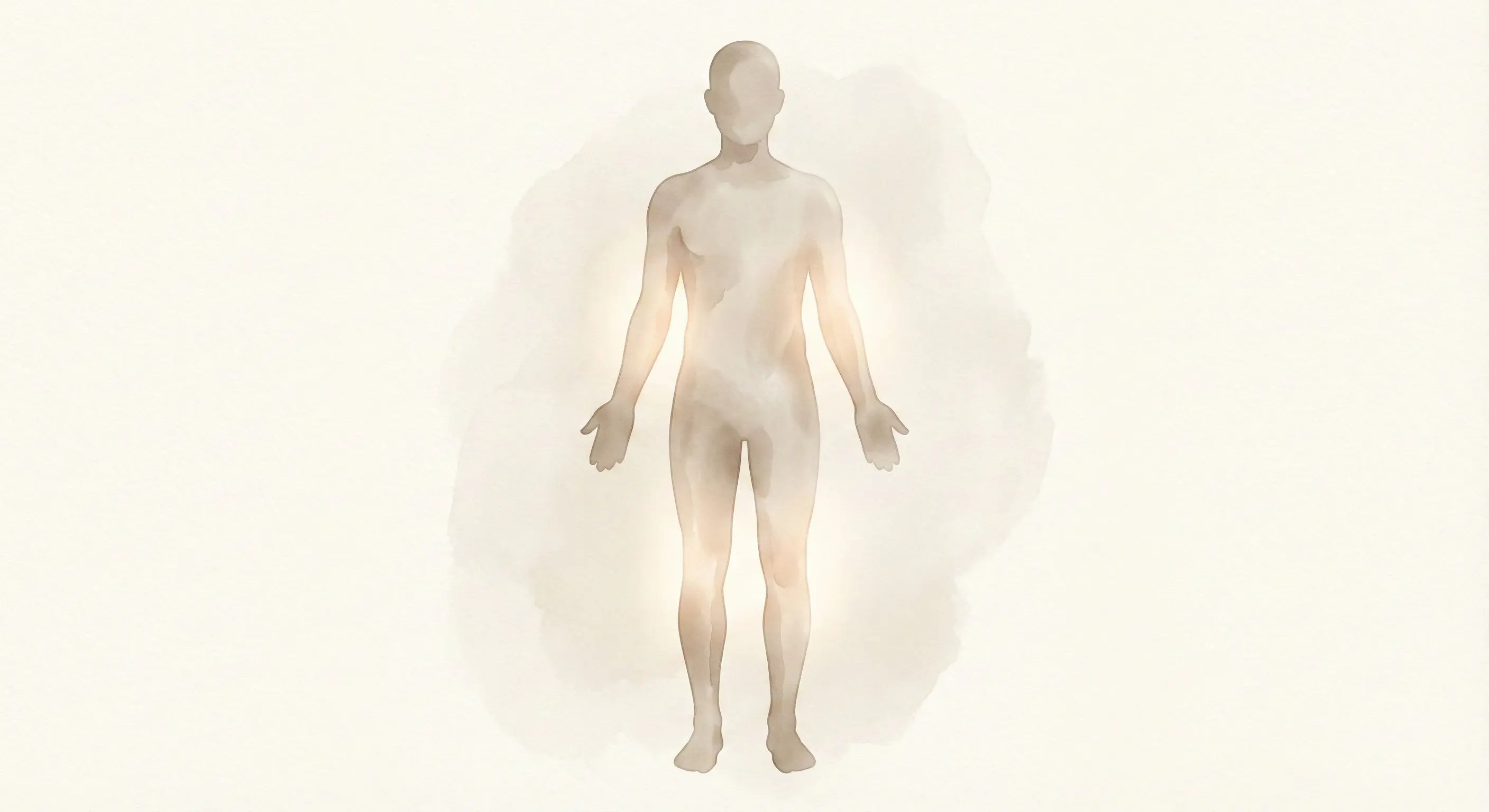

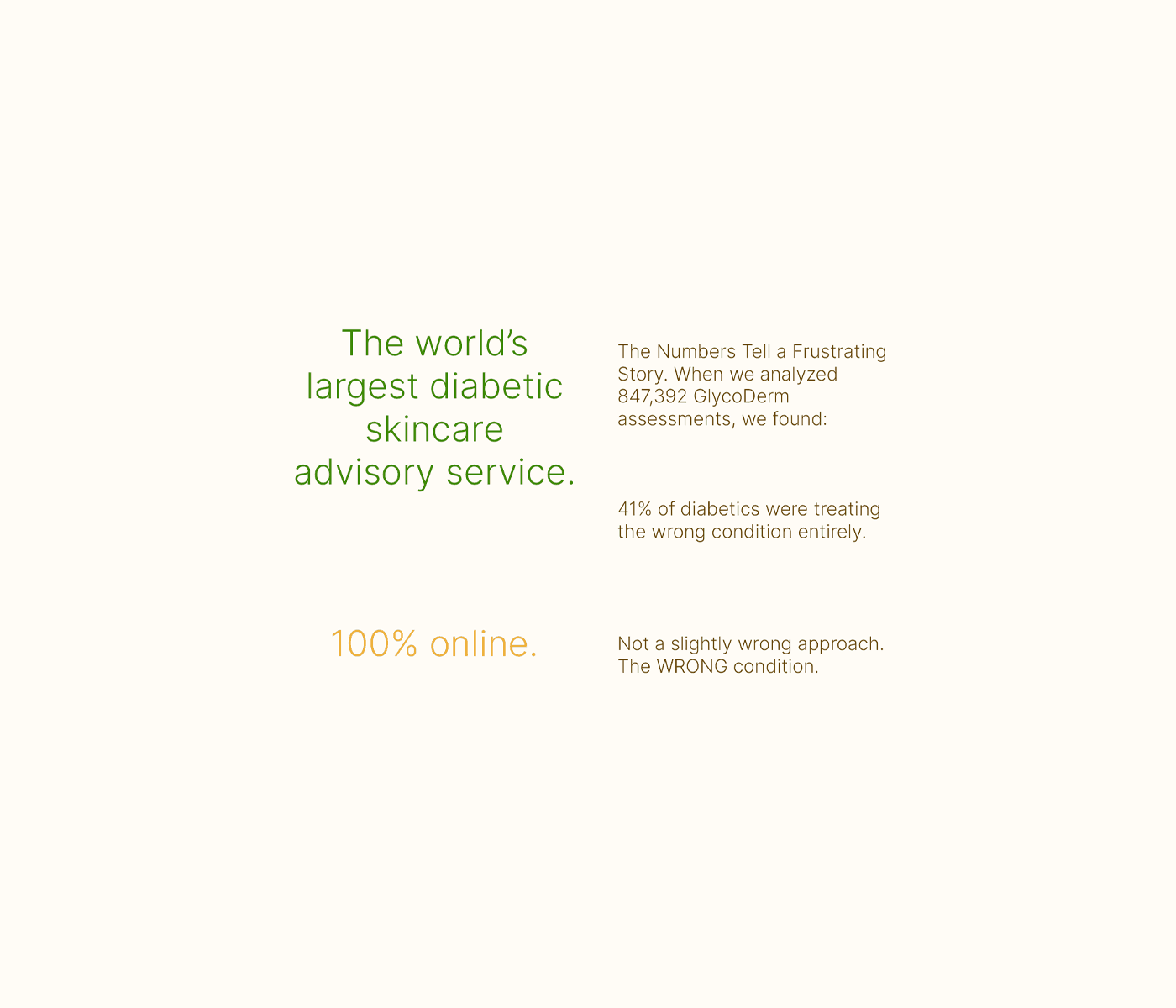
The diabetic skin assessment trusted by 847,392 people.
100% free. 45 seconds. Your specific pattern identified.
Diabetics assessed and matched to protocols
Distinct diabetic skin conditions identified
Were treating the wrong condition entirely
Built on diabetic skin biology. Not guesswork.
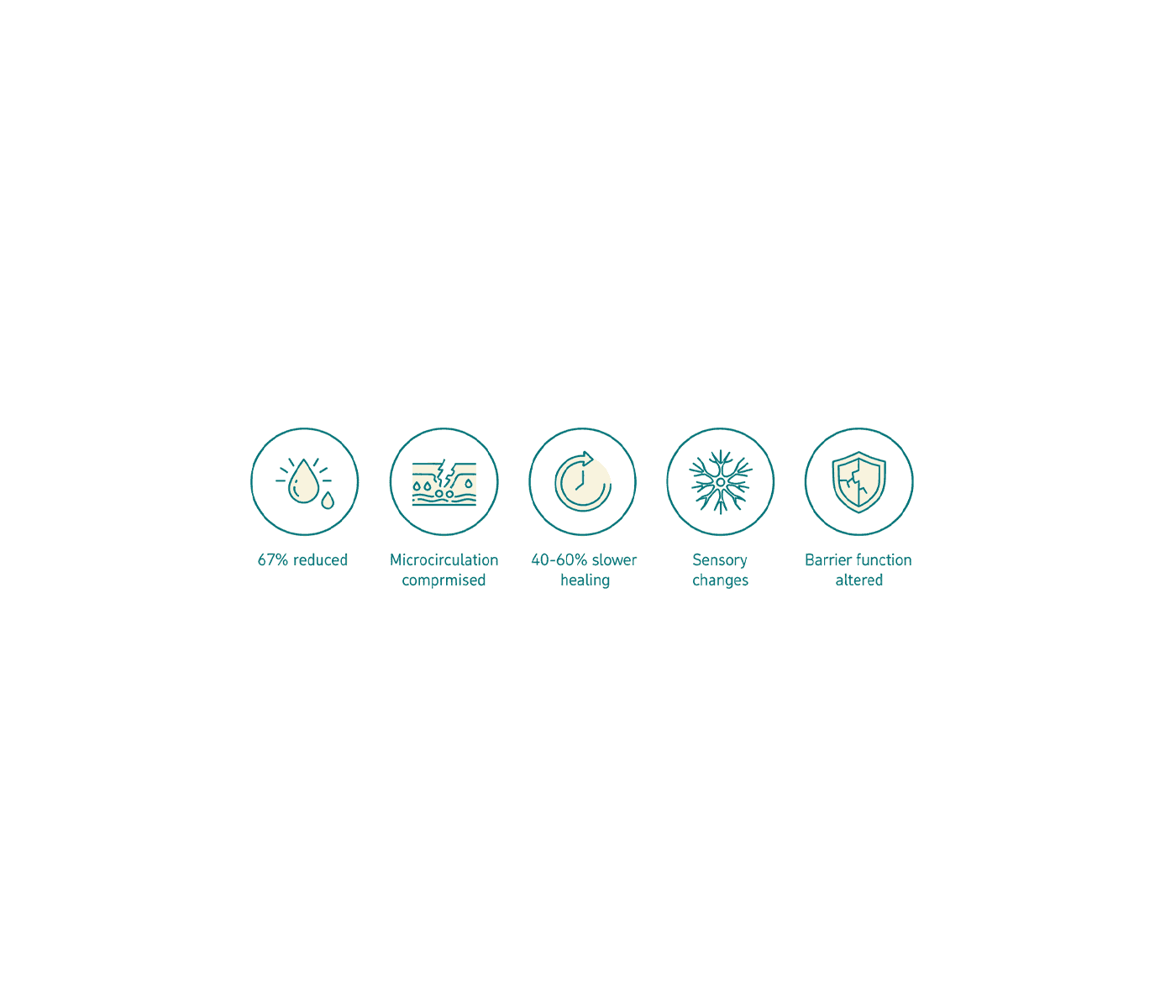
Every question in the GlycoDerm assessment is designed to identify patterns that only diabetic skin exhibits. Your sweat glands changed. Your circulation changed. Your healing speed changed. Generic skin quizzes miss all of this.
How it works

Get matched to your pattern
Answer 11 questions about your symptoms, location, and history. Our algorithm compares your answers against 847,392 cases to identify your specific diabetic skin pattern.
Understand why treatments failed
See exactly why the products you've tried didn't work. Different patterns need different mechanisms.


Get your matched protocol
Receive a protocol designed for your specific pattern. No more pharmacy guessing.
GlycoDerm vs. the pharmacy guessing game
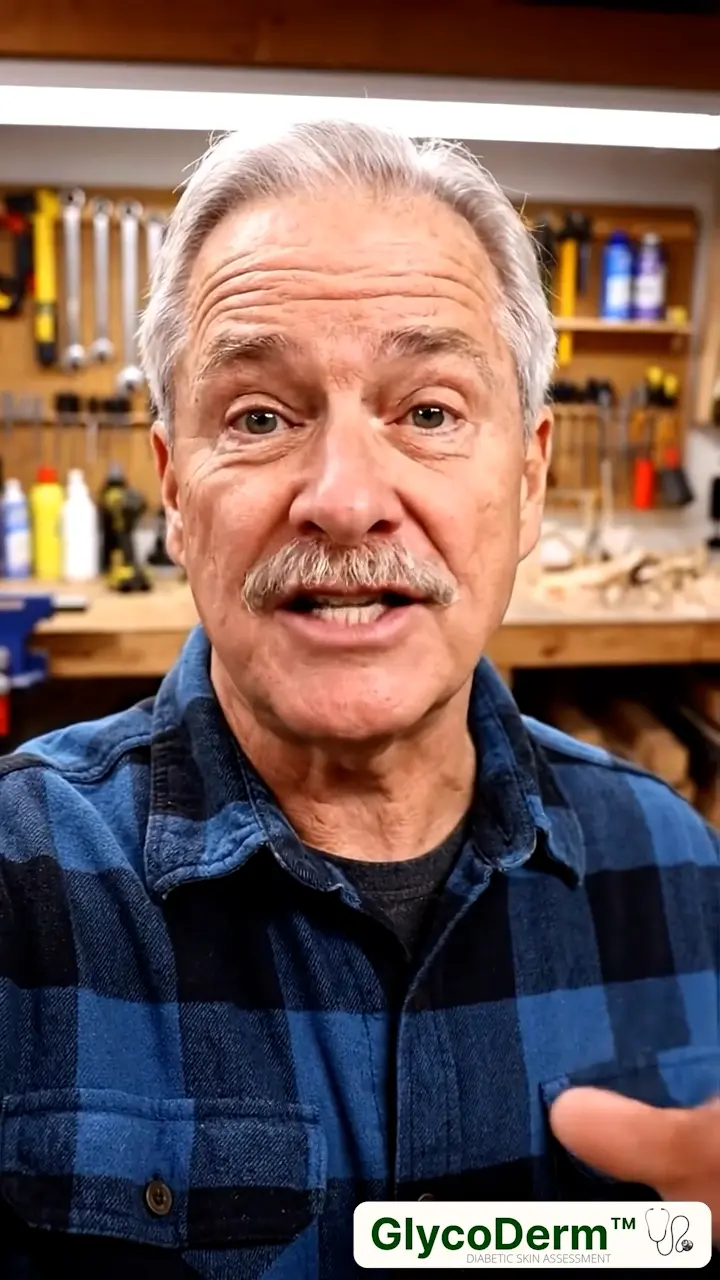
Two years of antifungal cream. Three weeks with the right approach. Turns out I never had fungus — I had diabetic fissures.

Why 41% of Diabetics Treat
the Wrong Skin Condition —
And How a 45 Second
Assessment Identifies Yours.
Take the free GlycoDerm™ Assessment. Get your pattern identified. See the protocol that matches — not the one-size-fits-all cream that doesn't.
11 questions. 45 seconds. Your specific condition identified. Custom recommendations based on your specific answers.

Hear from Glycoderm users:
Real results from real people
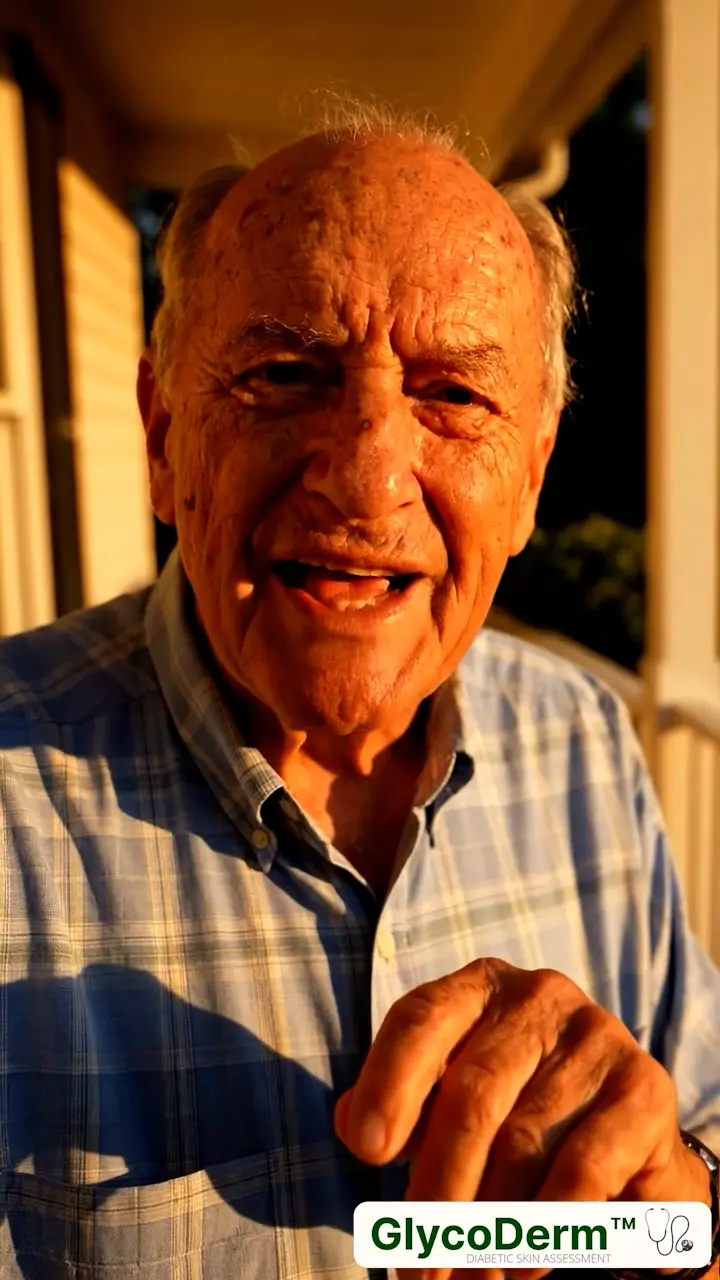
This product completely changed my life.
— Sarah M.






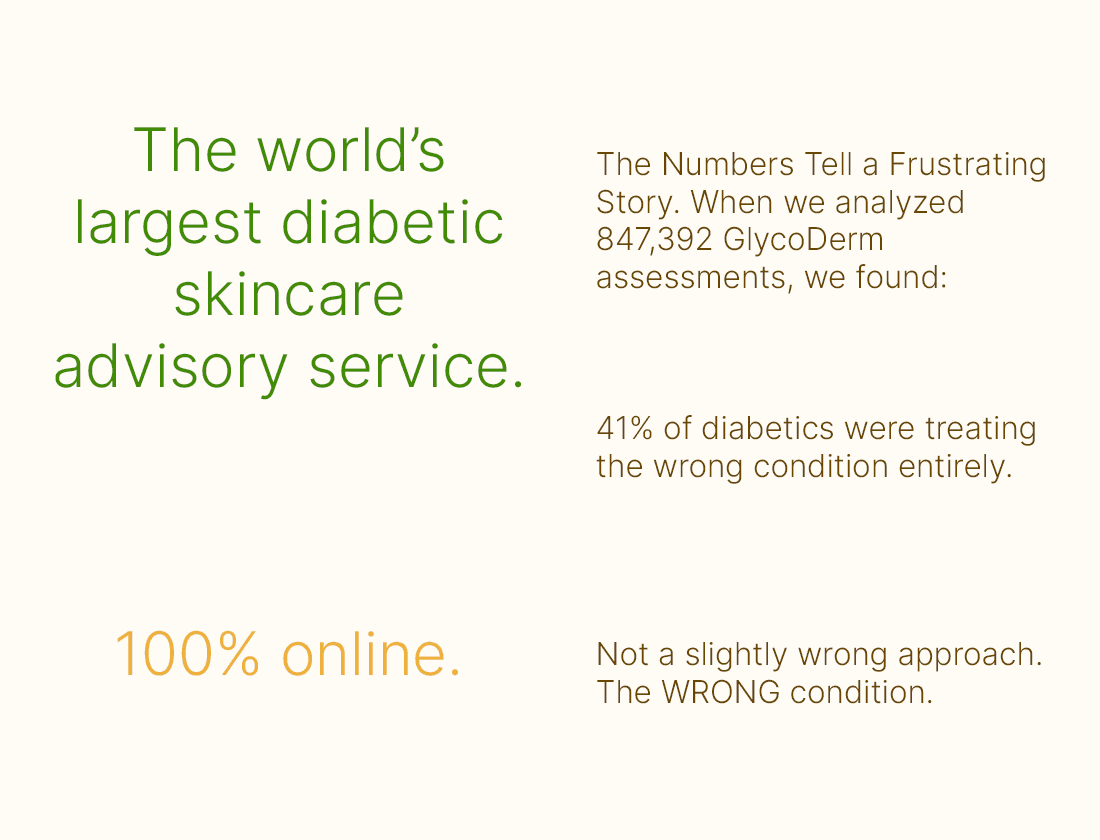
The diabetic skin assessment trusted by 847,392 people.
100% free. 45 seconds. Your specific pattern identified.
Diabetics assessed and matched to protocols
Distinct diabetic skin conditions identified
Were treating the wrong condition entirely
Built on diabetic skin biology. Not guesswork.
Every question in the GlycoDerm assessment is designed to identify patterns that only diabetic skin exhibits. Your sweat glands changed. Your circulation changed. Your healing speed changed. Generic skin quizzes miss all of this.

How it works

Get matched to your pattern
Answer 11 questions about your symptoms, location, and history. Our algorithm compares your answers against 847,392 cases to identify your specific diabetic skin pattern.
Understand why treatments failed
See exactly why the products you've tried didn't work. Different patterns need different mechanisms.


Get your matched protocol
Receive a protocol designed for your specific pattern. No more pharmacy guessing.
GlycoDerm vs. the pharmacy guessing game
Two years of antifungal cream. Three weeks with the right approach. Turns out I never had fungus — I had diabetic fissures.
Why 41% of Diabetics Treat
the Wrong Skin Condition —
And How a 45 Second
Assessment Identifies Yours.
Take the free GlycoDerm™ Assessment. Get your pattern identified. See the protocol that matches — not the one-size-fits-all cream that doesn't.
11 questions. 45 seconds. Your specific condition identified. Custom recommendations based on your specific answers.
The diabetic skin assessment trusted by 847,392 people.
100% free. 45 seconds. Your specific pattern identified.
Diabetics assessed and matched to protocols
Distinct diabetic skin conditions identified
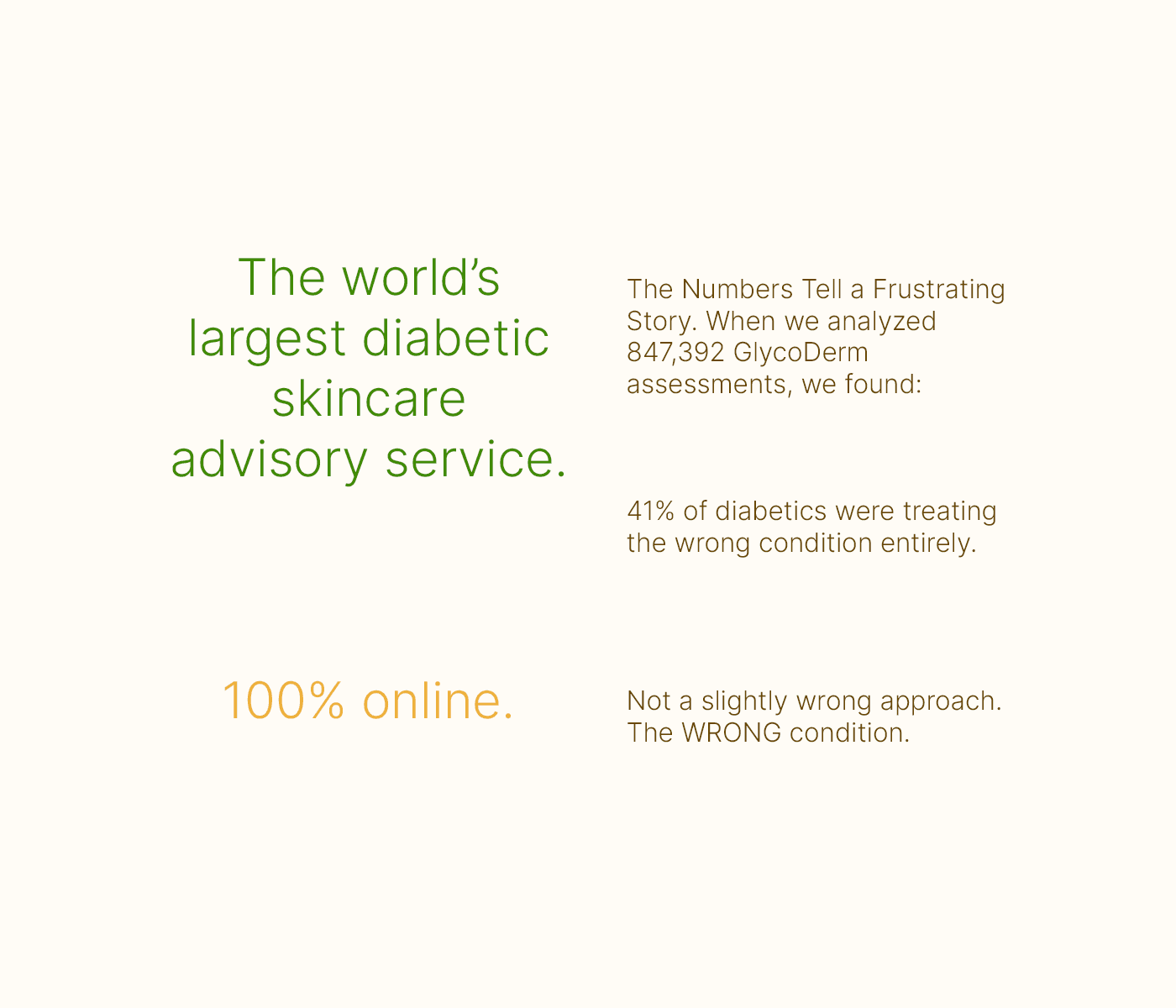
Were treating the wrong condition entirely
Built on diabetic skin biology. Not guesswork.
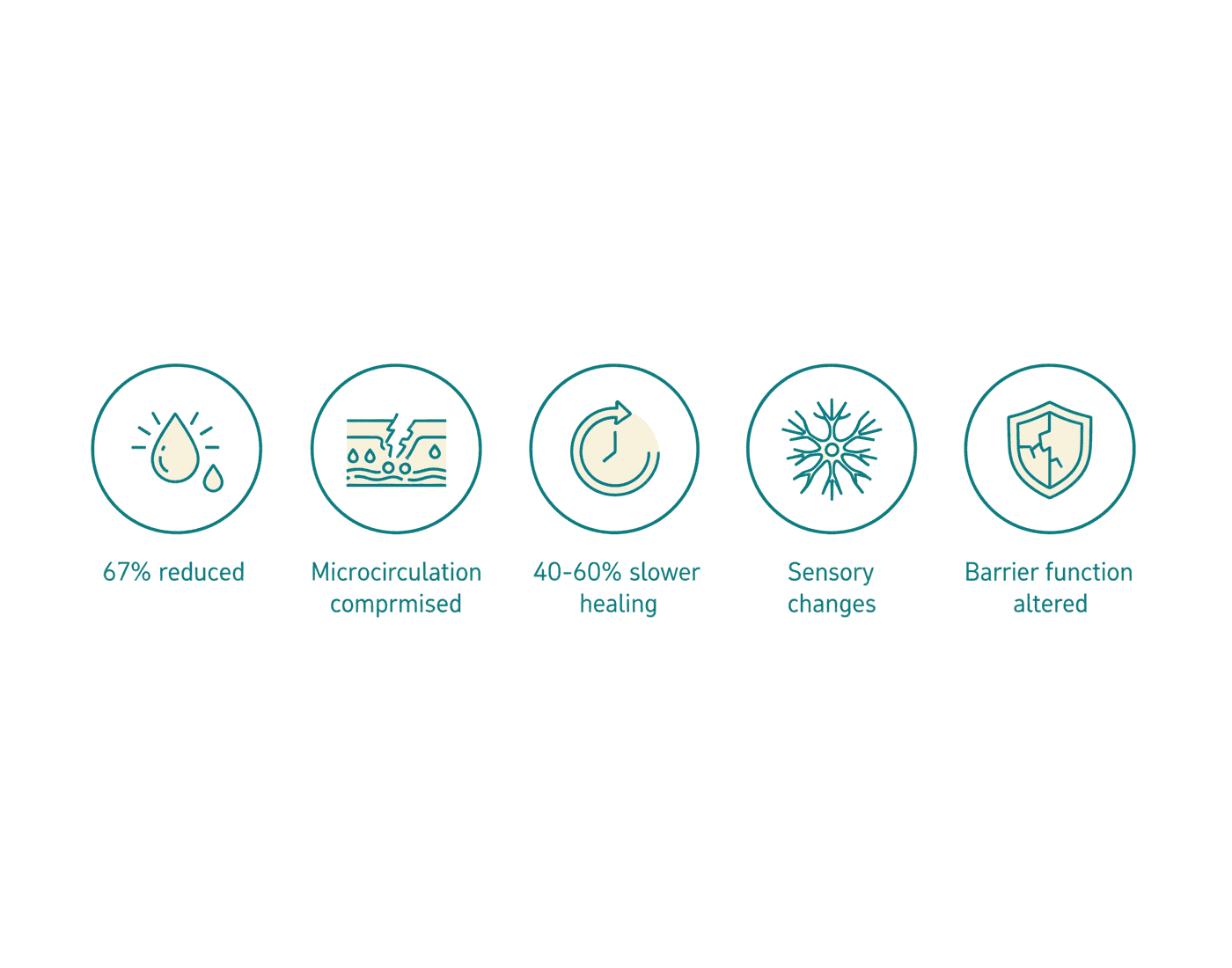
Every question in the GlycoDerm assessment is designed to identify patterns that only diabetic skin exhibits. Your sweat glands changed. Your circulation changed. Your healing speed changed. Generic skin quizzes miss all of this.
How it works
Get matched to your pattern
Answer 11 questions about your symptoms, location, and history. Our algorithm compares your answers against 847,392 cases to identify your specific diabetic skin pattern.
Understand why treatments failed
See exactly why the products you've tried didn't work. Different patterns need different mechanisms.
Get your matched protocol
Receive a protocol designed for your specific pattern. No more pharmacy guessing.
GlycoDerm vs. the pharmacy guessing game
Two years of antifungal cream. Three weeks with the right approach. Turns out I never had fungus — I had diabetic fissures.
Why Standard Skin Treatments Often Fail Diabetics
Your skin changed when your blood sugar did. 79% of diabetics with skin issues need different care than what's on pharmacy shelves—and some conditions are diabetes-specific.
Every Question Has a Diagnostic Purpose
We ask what your doctor might not—because diabetes changes everything about skin.
The 5 Patterns That Reveal Your Condition
Diabetic skin conditions have specific signatures. Learn to recognize yours.
What Delayed Treatment Actually Costs
For diabetics, skin issues aren't cosmetic. They're warnings.
From Frustration to Finally Understanding
60 Seconds to Understand Your Diabetic Skin
100% free. No email required. Diabetes-specific results.

ADVERTISEMENT | This page is provided by Speer Laboratories. Results may include product recommendations.
Disclaimer: This assessment identifies patterns and does not diagnose medical conditions. Not a substitute for professional medical advice. Individual results vary.
Disclosure: Speer Laboratories may receive compensation when visitors purchase recommended products.
© 2025 Speer Laboratories. All rights reserved.
ADVERTISEMENT | This page is provided by Speer Laboratories. Results may include product recommendations.
Disclaimer: This assessment identifies patterns and does not diagnose medical conditions. Not a substitute for professional medical advice. Individual results vary.
Disclosure: Speer Laboratories may receive compensation when visitors purchase recommended products.
© 2025 Speer Laboratories. All rights reserved.
ADVERTISEMENT | This page is provided by Speer Laboratories. Results may include product recommendations.
Disclaimer: This assessment identifies patterns and does not diagnose medical conditions. Not a substitute for professional medical advice. Individual results vary.
Disclosure: Speer Laboratories may receive compensation when visitors purchase recommended products.
© 2025 Speer Laboratories. All rights reserved.